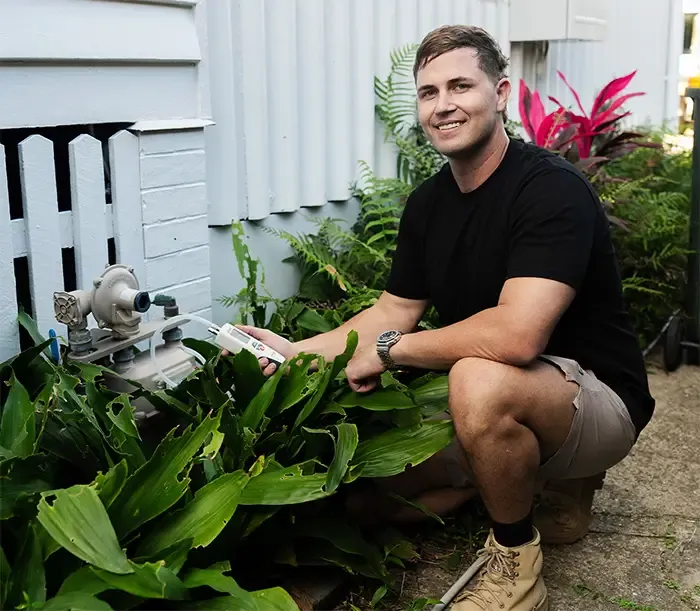
Blocked Drains
The everyday call: a basin, shower or laundry line draining slow or stopping dead, grease, hair or roots in a branch pipe, cleared and camera-checked so it stays clear.
Margate Plumber looks after the drainage side of the peninsula: blocked drains, blocked sewers, blocked stormwater and CCTV drain inspections across Margate and the suburbs either side of it. When water sits where it should run, this overview is where the job starts, and the four pages below split each case out.
If we're late, $100 comes off your bill


Not every slow drain is the same job. These routes put you on the right page fast:
the main line from your home is blocked, and blocked sewer covers clearing it and keeping it clear.
a branch line running slow from grease, hair or root growth, which is blocked drains territory.
the runoff side of the system, handled on the blocked stormwater page.
CCTV drain inspections shows what the camera finds and how the result reads.
The material under the street decides how a drain fails here, and this suburb's mains are old stock.
Nearly two-thirds of the sewer main running through this suburb is vitrified clay, with about a fifth in asbestos cement, laid under Joseph Street and the main roads. Those mains have carried the suburb's wastewater for a long time, and their age shows at the joints.
Clay lines hold up for decades, then open where one pipe meets the next. Roots find the hairline gap, silt follows the water in, and a branch line laid mid-century starts gurgling every time it rains.
That material thins and turns brittle over the years, so instead of clogging slowly, one long section can crack apart when a big burst of rain loads the ground.
Guessing on an old line means excavating in the wrong spot, and rock and shale under the surface turn a wrong hole into a serious one. That is why the camera runs before the shovel on nearly every drainage job here.
Every block here sits over two separate pipe networks, and mixing them up wastes money.
Wastewater from your fixtures runs through your own pipes to the main, and from there the utility carries it away to treatment. Anything on the utility's side of that connection point is theirs to maintain.
Every drain, gully trap and vent stack from the main back toward your fixtures is the property owner's to keep working, which is where our plumbers come in.
The pits and pipes that shift rain off your block are yours until the connection, and the street system beyond them is Council's. When a yard floods, the first question is which side of that line the water is standing on.
Each of these jobs has its own page, its own causes and its own fix, and every one of them is a call we take across the peninsula.
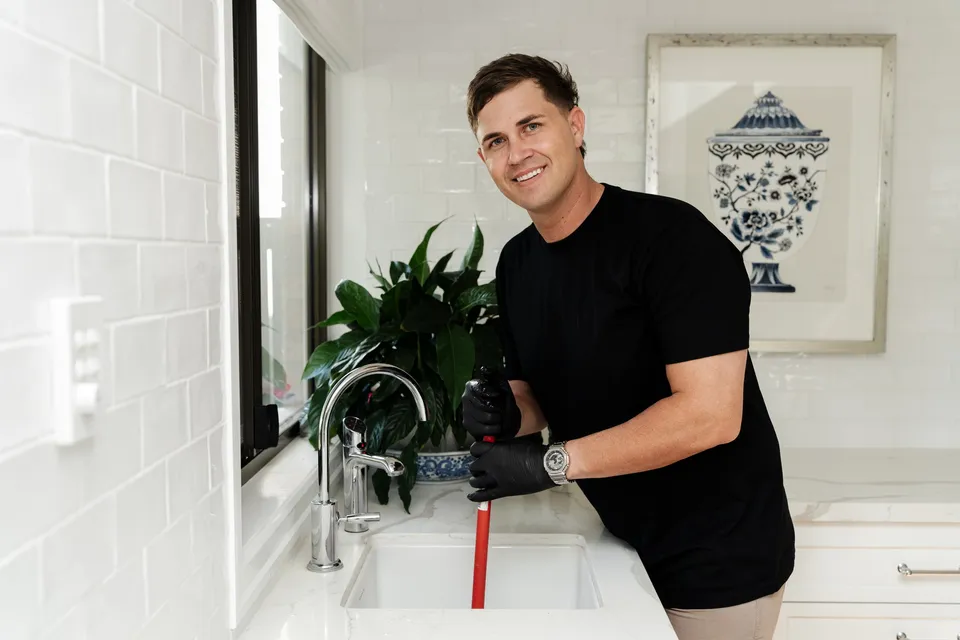
The everyday call: a basin, shower or laundry line draining slow or stopping dead, grease, hair or roots in a branch pipe, cleared and camera-checked so it stays clear.

Wastewater climbing through a floor drain, gully trap or toilet means the main line from the house is blocked, and that gets cleared before anything in the home can drain.

The rain side of the system: downpipes, pits and the pipes that shift storm runoff off a block, which on mapped flow routes can stand knee-deep after a cell.
The camera run: the whole line on screen, showing grease, a root ball, a bellied section or a cracked joint, so the repair lands on the actual fault, not guesswork.
$0 call-out fees, available 24/7, and same-day where we can.

A drainage job here runs in a set order, and the order saves money. Clear the line, look down it, then price the fix.
Standing water gets shifted before anyone inspects anything, because a flooded pipe cannot be read properly and a full gully trap hides more than it shows.
The camera shows the pipe as it actually is, joint by joint, instead of a guess built from where the gurgle sounds loudest.
With the fault on screen, the repair options and what each one involves get laid out plainly, and you approve one before any work begins.
The ground and the rain set the price. Rock and shale sit under this suburb's duricrust plateau, so any repair that means digging runs slower than the same job in soft soil. Long-term averages put yearly rainfall near 1104 mm, and most of it lands in summer cells off the bay, which loads every tired joint in an old main at once.

The streets behind the beach carry their own drainage habits, and they show up in the jobs we get called to.
Around Margate Village, the district centre of shops and eateries near the Oxley Avenue and Duffield Road corner, cafes and takeaways share mains with the homes above them, and grease builds in those shared lines between cleans.
Council's storm tide overlay covers Margate Parade, Sandy Lane and the lowest beachfront streets, so king tides and cyclone-season cells test those properties first, and a pit full of sand after a big tide is a call we know well.
Rosewood Crescent and nearby streets sit along mapped overland flow routes that drive storm water from lot to lot during heavy rain, and homes along them should have pits and yard drains cleared ahead of each summer.

Call (07) 3067 4274 and walk us through what's going on in Margate. A couple of quick questions help us bring the right parts the first time.

You see flat-rate pricing with no hidden fees before the work begins. Say yes and we start.
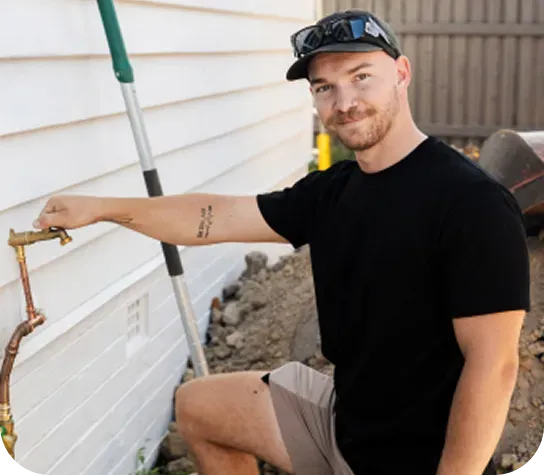
We clear the blockage, run the camera down the full line to check the flow, and walk you through what the pipe looks like on screen before we pack up.

Card or EFTPOS on site once the job's finished, or ask about Fix now, pay later.
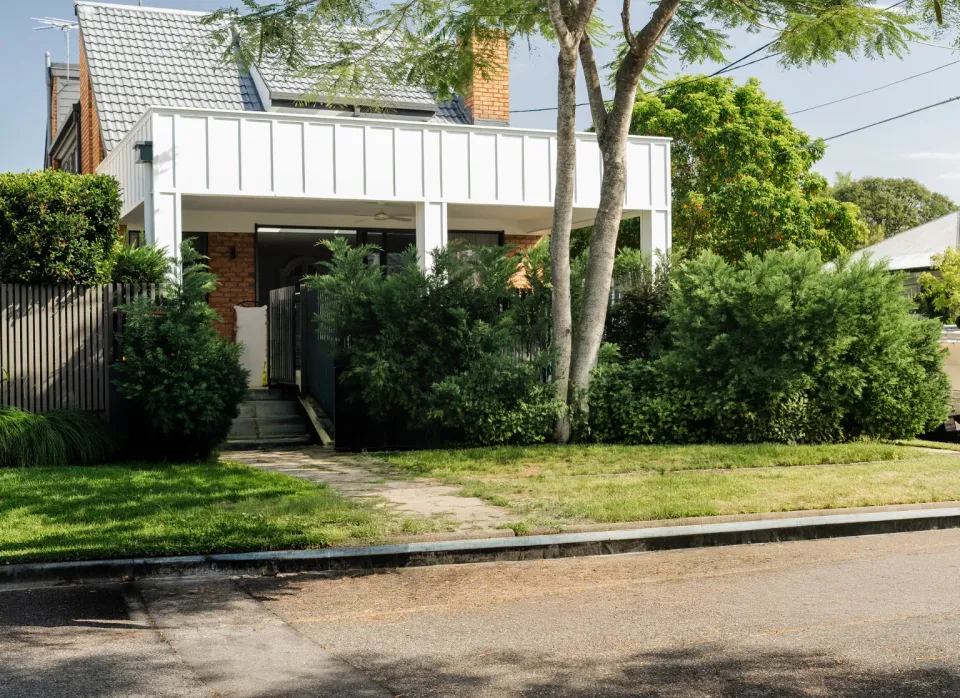
Drainage rewards knowing the ground more than most trades do, and on this peninsula the ground changes from one street to the next. For the everyday side of the trade, the general plumbing page covers taps, toilets and kitchens, and hot water and emergencies each have their own pages.
Every Margate job comes with $0 call-out fees, and there's no extra cost for nights, weekends or public holidays.
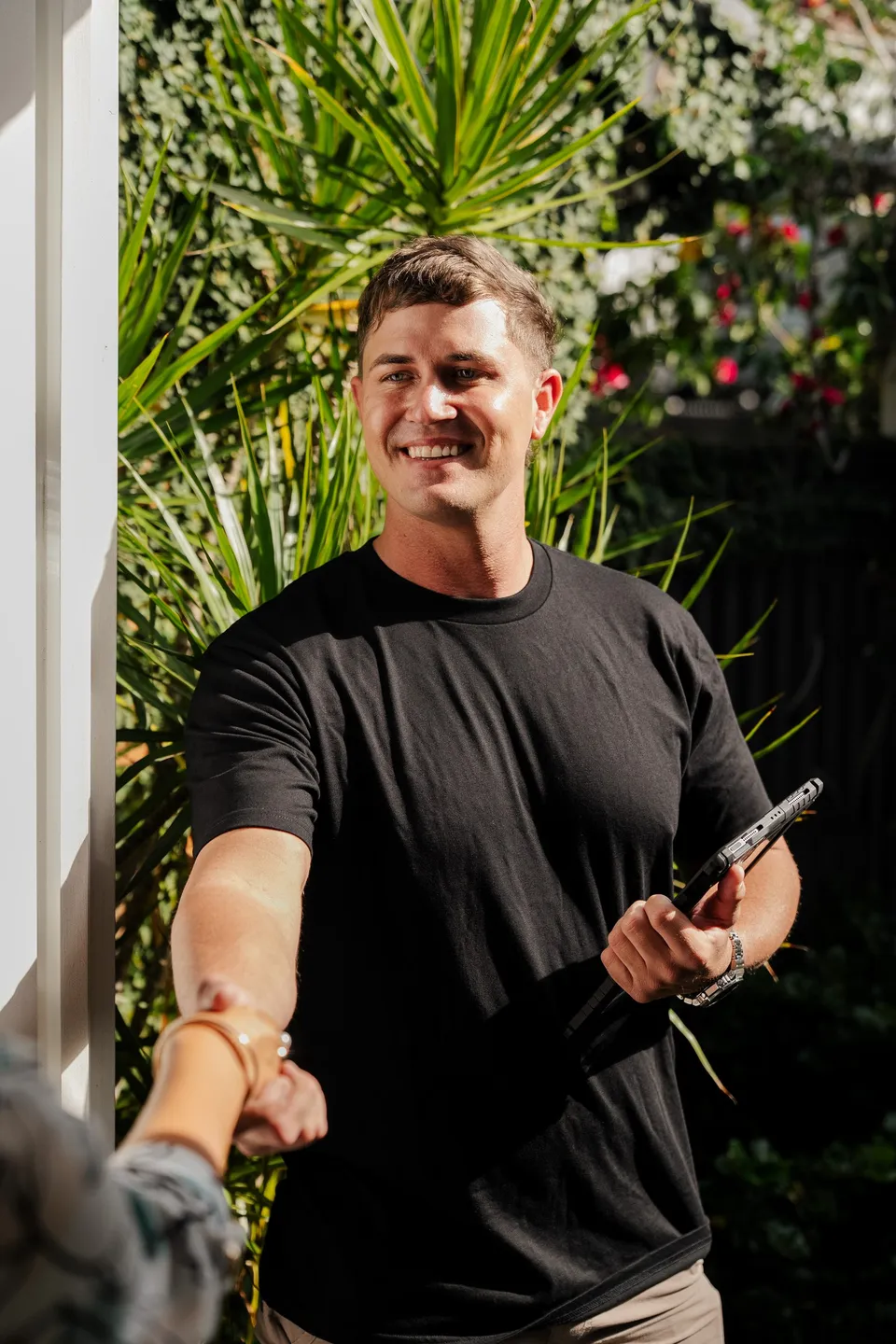
We stand behind the work with our Fix-It-or-It's-Free guarantee (T&Cs apply), and if we're late, $100 comes off your bill.
Under QBCC No: 15024607, every job is done by a licensed plumber, and our labour carries a lifetime labour warranty.
We're licensed and insured, locally owned and operated, with flat-rate pricing.
The public sewer main beneath the street is Unitywater's responsibility, but every pipe running from that junction across your yard and into the house belongs to the property owner.
Most of the sewer main here is vitrified clay with a large asbestos cement share, and older homes sit on earthenware branches that open at the joints and let roots in.
Yes, the camera travels the whole line and shows whether the fault is fat buildup, root intrusion, a sagged section or a split joint, so the repair targets the real problem, not the nearest guess.
Council maps the overland flow routes that cross many blocks, but the pits, drains and pipes inside your boundary are yours to maintain, so a silted-up yard pit is a job for us.
It can, since groundwater seeps into ageing clay and asbestos cement networks through their worn joints, and once a storm saturates the roadway, wastewater may rise at the block's lowest gully trap.
Call (07) 3067 4274, describe what the drain is doing and how long it has been slow, and we will lock in a visit with the full price approved in writing before any digging or clearing starts.
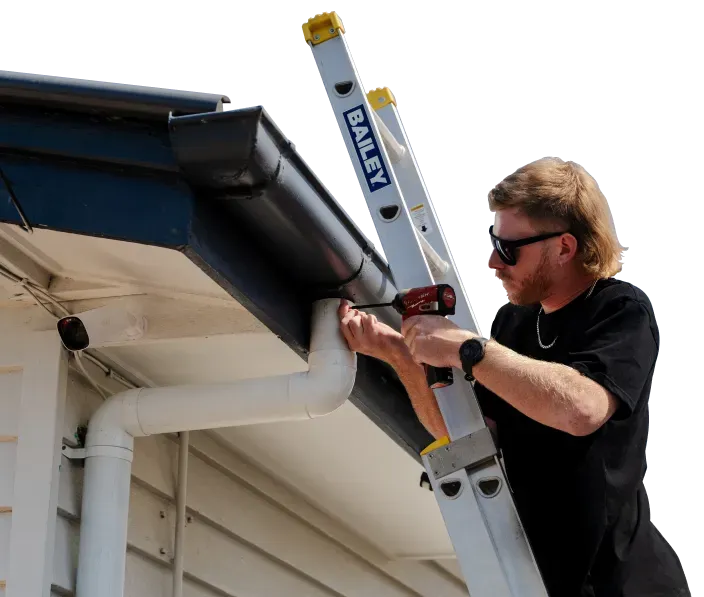
Call (07) 3067 4274 and tell us what's going on. We're available 24/7, every job in Margate comes with $0 call-out fees and flat-rate pricing, and the work is done under QBCC No: 15024607, with same-day where we can.
Current offers:
To claim your $0 call-out fee, call (07) 3067 4274 today.